

Blue Abstract Art: From Historical Roots to Modern Mastery
Blue abstract art represents a profound journey through the evolution of artistic expression, where the color blue serves as a conduit for exploring the intangible realms of emotion, spirituality, and human experience. Emerging from the turbulent early 20th century, this genre has matured into a staple of contemporary aesthetics, influenced by pioneers like Gabriele Münter whose works, as showcased in exhibitions such as Contours of the World at the Guggenheim Museum, highlight the transformative power of blue in non-representational forms. This article delves into the historical development, key techniques, cultural significance, and future trajectories of blue abstract art, offering insights into why it remains an enduring fascination for artists and collectors alike.
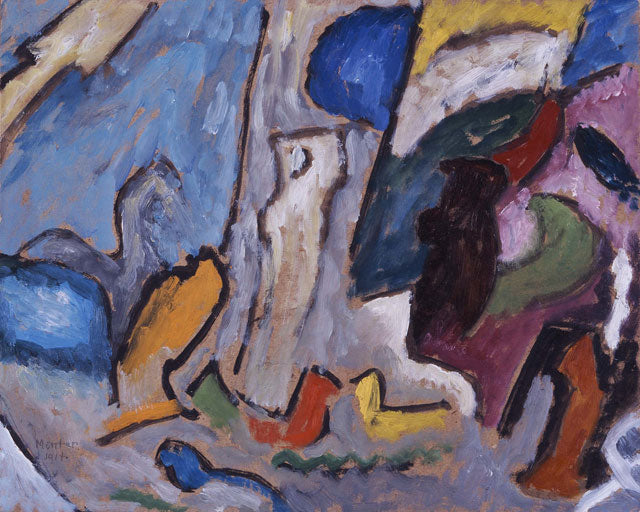
The historical foundations of blue abstract art are deeply intertwined with the Expressionism movement, particularly through the Der Blaue Reiter group established in Munich in 1911. Led by Wassily Kandinsky and including Münter, this collective viewed blue as a symbol of spirituality and depth. Kandinsky's theoretical writings emphasized blue's ability to evoke the infinite, retreating from the viewer like a vast sky. His early works, such as abstract watercolors dominated by swirling blues, marked a departure from figuration toward pure emotional resonance. Münter, often underappreciated, contributed intimate blue-infused landscapes that blended abstraction with subtle realism, using cobalt and ultramarine to capture atmospheric moods. Her pieces, like those depicting Bavarian winters in muted blues, bridged impressionist influences with emerging abstraction, setting a precedent for emotional depth in color usage.

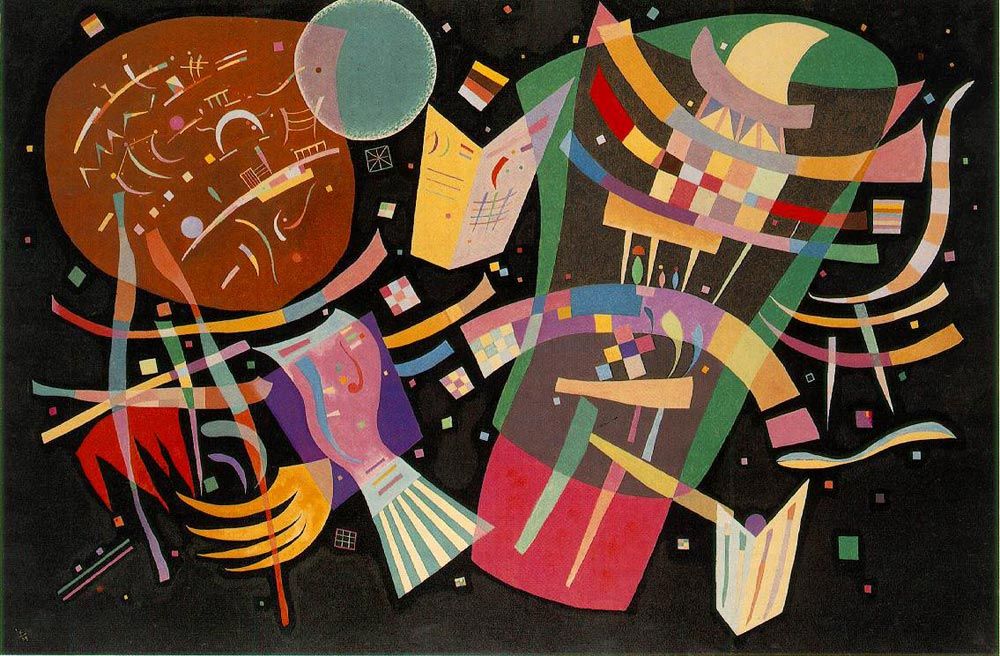
As the movement progressed, Kandinsky's compositions grew more complex, incorporating blue as a dominant force in chaotic yet harmonious arrangements. In Composition VII, layers of indigo and azure interplay with contrasting hues, creating a visual symphony that mirrors inner turmoil and transcendence. This evolution reflected broader artistic shifts post-World War I, where abstraction became a refuge from reality's horrors. Münter's role was pivotal; her bold outlines and blue palettes added a grounded femininity to the group's ethereal pursuits, influencing subsequent generations to explore personal narratives through abstract means.
Transitioning to mid-20th-century developments, blue abstract art found new expression in American Abstract Expressionism. Artists like Jackson Pollock revolutionized the genre with action painting, where blue drips and splatters conveyed raw energy. Pollock's Blue Poles features interwoven threads of blue amid a frenzy of colors, symbolizing post-war existentialism. Meanwhile, Mark Rothko pioneered color field painting, using vast expanses of blue to immerse viewers in meditative states. His untitled blue canvases, with subtle gradients from navy to sky, dissolve edges, inviting contemplation of the sublime. Rothko believed color could transcend language, and blue's calming yet profound qualities made it ideal for evoking universal emotions.

Yves Klein, a French innovator, took blue abstraction to monochromatic extremes in the 1950s and 60s. Inventing International Klein Blue (IKB), a vibrant ultramarine pigment, Klein created pure blue canvases that symbolized the void and immaterial. Works like IKB 191 challenge perceptions, using blue to represent infinity and spirituality, free from form or narrative. Klein's anthropometries, where models imprinted blue on canvas, blended performance with abstraction, expanding the genre's boundaries. These mid-century advancements shifted focus from gestural expression to immersive color experiences, influencing minimalist and conceptual art.
In contemporary contexts, blue abstract art integrates diverse influences, from technology to global cultures. Artists like Gerhard Richter employ squeegee techniques to layer blues in abstract smears, blurring lines between painting and photography. Richter's blue series evokes oceanic depths, using transparency and opacity for emotional layering. Emerging talents draw from Münter's legacy, incorporating digital elements; for example, AI-assisted abstracts generate infinite blue variations, echoing Kandinsky's synesthetic visions. In Asia, Zao Wou-Ki fused Eastern ink traditions with Western abstraction, using fluid blues to suggest cosmic landscapes, bridging cultural divides.
Techniques in blue abstract art have diversified over time. Early methods involved oil paints for rich impasto, as in Münter's textured blues. Kandinsky favored watercolors for fluidity, allowing blues to bleed and merge organically. Pollock's drip technique required enamel paints for viscosity, creating dynamic blue trails. Rothko used thin oil washes for luminous fields, while Klein's IKB demanded custom binders for intensity. Modern approaches include acrylics for quick drying, enabling layering without muddiness. Resin pours create glossy blue depths, mimicking water, and mixed media incorporate found objects for texture. For beginners, start with palette knives: spread cerulean and Prussian blue on canvas, blending for gradients, or use sponges for misty effects inspired by Rothko.
The cultural impact of blue abstract art extends to psychology and society. Blue's associations with tranquility make it a staple in therapeutic settings; art therapists use blue abstracts to aid relaxation and self-expression. In popular culture, blue motifs appear in films like Interstellar, where abstract blues depict cosmic voids, or in music visuals for ambient genres. Commercially, blue abstracts dominate markets, with galleries and online platforms offering accessible pieces. Collections such as Blue Abstract Painting provide large-scale options that enhance interiors, turning homes into serene galleries. These works, often textured and vibrant, appeal to collectors seeking emotional investment, with auction values soaring for icons like Klein's monochromes.
Educationally, blue abstract art fosters creativity in schools and workshops. Programs inspired by Der Blaue Reiter teach color theory, encouraging students to explore blue's emotional spectrum. Museums like the Guggenheim, through Münter's exhibitions, educate on gender roles in art history, highlighting overlooked contributions. Digitally, tutorials on platforms like YouTube demystify techniques, from Pollock drips to digital blue fractals, making the genre inclusive.
Looking to the future, blue abstract art will likely embrace sustainability and immersion. Eco-friendly pigments from natural sources could replace synthetics, addressing environmental concerns. Virtual reality experiences might allow interaction with blue worlds, extending Rothko's fields into 3D. As global connectivity grows, hybrid styles blending traditions will proliferate, ensuring blue's role in uniting diverse voices. Ultimately, from Münter's contours to modern innovations, blue abstract art endures as a mirror to the soul, inviting endless discovery.
FAQ
What is the historical origin of blue abstract art?
It originated with the Der Blaue Reiter group, emphasizing blue's spiritual qualities in early 20th-century expressionism.
Who are pivotal artists in blue abstract art?
Key figures include Wassily Kandinsky, Gabriele Münter, Jackson Pollock, Mark Rothko, and Yves Klein, each advancing the use of blue in abstraction.
How does blue influence emotions in abstract art?
Blue evokes calm, depth, and introspection, often used to create meditative or melancholic atmospheres in artworks.
Where can one acquire blue abstract paintings?
Explore curated selections like Blue Abstract Painting, offering high-quality, large-format pieces.
What techniques are common in blue abstract art?
Techniques range from oil impasto and watercolor bleeds to acrylic pours and digital layering, focusing on texture and gradient.
How is blue abstract art used in modern decor?
It's ideal for creating serene environments in homes or offices, with versatile pieces that complement various interior styles.
