

Escalating Tensions in the Art World: Jack Shainman Gallery Counters Odili Donald Odita's Claims in High-Stakes Lawsuit
In the competitive and often opaque world of contemporary art, disputes between artists and galleries are not uncommon, but few capture the intricacies of financial arrangements, creative control, and market dynamics as vividly as the ongoing legal battle between renowned abstract painter Odili Donald Odita and the Jack Shainman Gallery. What began as a lawsuit filed by Odita in October 2025, accusing the New York-based gallery of withholding over $1 million worth of his artworks, has escalated with the gallery's forceful response. In a late November filing, Jack Shainman Gallery fired back, alleging that Odita significantly overpriced his art, leading to sluggish sales, and that he owes them substantial sums in unpaid loans. This clash not only highlights the fragile balance in artist-dealer relationships but also raises broader questions about pricing strategies, fiduciary responsibilities, and the economic pressures facing mid-career artists in a post-pandemic market.
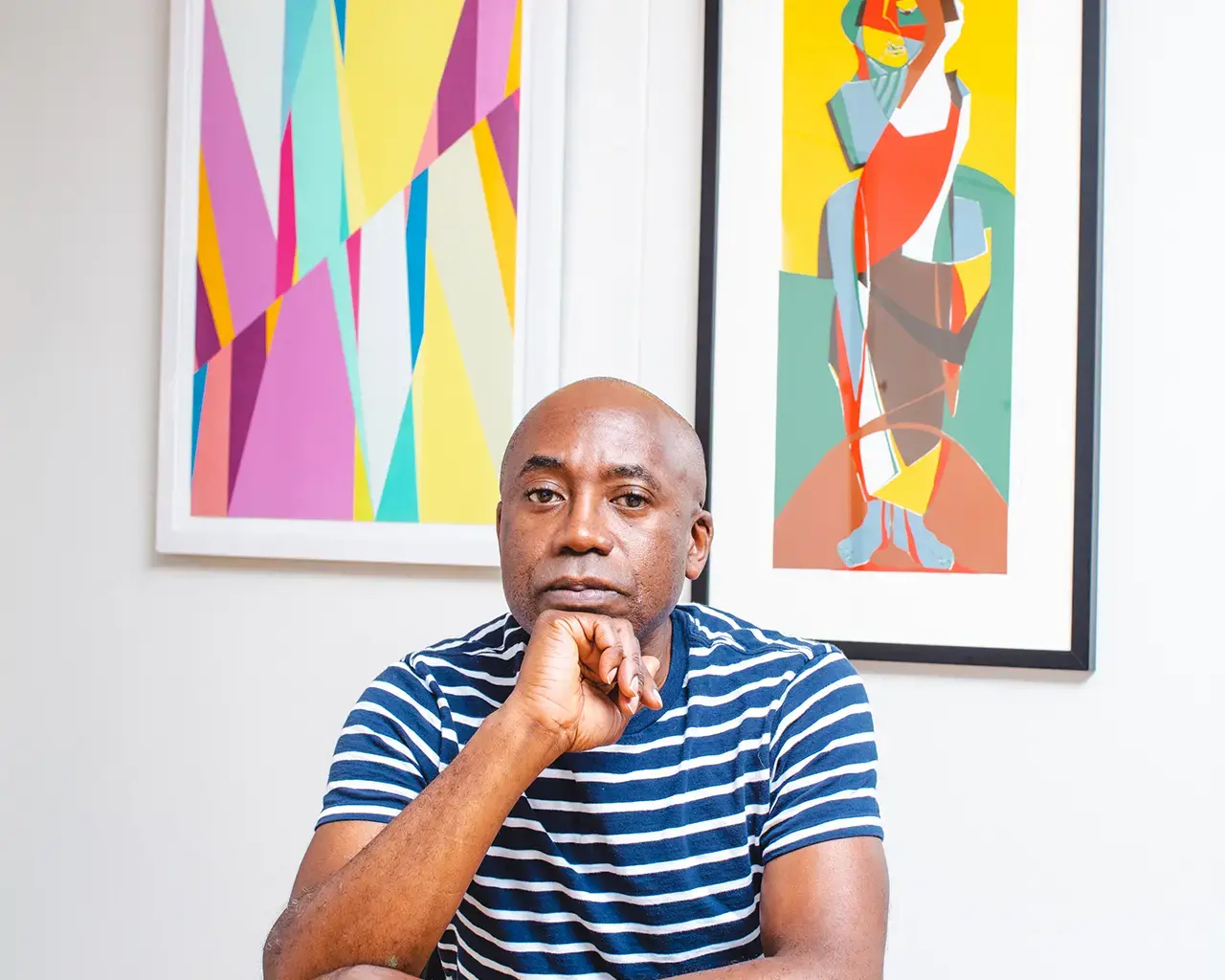
Odili Donald Odita, a Nigerian-American artist whose vibrant abstractions have graced prestigious venues worldwide, is at the center of this controversy. Born in 1966 in Enugu, Nigeria, Odita's early life was marked by upheaval; his family fled the country during the Biafran Civil War, eventually settling in Columbus, Ohio. This dual cultural identity—rooted in African heritage yet shaped by American modernity—profoundly influences his work. Odita's paintings, characterized by interlocking geometric patterns and bold color palettes, explore themes of liberation, identity, and sociopolitical tension. As he once stated, color in his art "has the possibility of mirroring the complexity of the world as much as it has the potential for being distinct." His pieces often draw from West African textiles, digital aesthetics, and modernist traditions, creating a "third space" where disparate elements converge.
Odita's career trajectory is impressive. He earned a BFA with distinction from Ohio State University in 1988 and an MFA from Bennington College in 1990. Over the years, he has held academic positions at institutions like Yale University and the University of South Florida, and he currently serves as a Professor of Painting and Drawing at Temple University's Tyler School of Art. His breakthrough came with installations like Give Me Shelter, prominently featured at the 52nd Venice Biennale in 2007, curated by Robert Storr. More recently, Odita painted a monumental mural for the Museum of Modern Art's atrium in New York, titled Songs from Life, which remains on view through 2026. His works are held in collections at the Baltimore Museum of Art, the Philadelphia Museum of Art, and the San Francisco Museum of Modern Art, among others. Beyond Jack Shainman, Odita is represented by the David Kordansky Gallery in Los Angeles and Stevenson in Cape Town and Johannesburg.
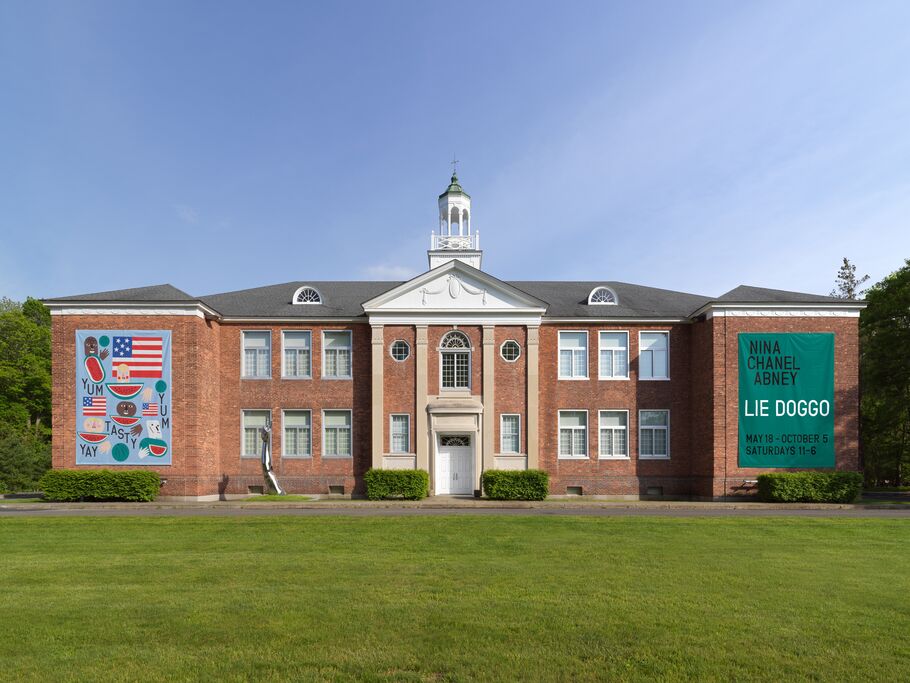
Jack Shainman Gallery, founded in 1984 by Jack Shainman and the late Claude Simard in Washington, D.C., has long been a powerhouse in promoting diverse voices in contemporary art. Relocating to New York in the mid-1980s, the gallery established itself in the East Village before moving to Soho and eventually Chelsea. Today, it operates multiple spaces, including its flagship in Tribeca at 46 Lafayette Street, a Chelsea location at 513 West 20th Street, and The School—a 30,000-square-foot converted building in Kinderhook, New York, that serves as an exhibition and community hub. The gallery's roster emphasizes artists from Africa, East Asia, and North America, championing figures like Nick Cave, Kerry James Marshall, and Lynette Yiadom-Boakye. It has a reputation for nurturing mid-career talent and facilitating major museum acquisitions, participating in top fairs like Art Basel Miami Beach and Frieze New York.
The partnership between Odita and Jack Shainman spanned over a decade, with the gallery hosting eight solo exhibitions of his work since 2010. Titles like Mirror (2020) and Third Sun (2017) showcased Odita's evolution, blending canvas paintings with site-specific wall installations that transform spaces through color dynamics. However, beneath this successful facade, tensions brewed over financial arrangements.
The lawsuit originated from a 2016 consignment agreement where the gallery agreed to pay Odita a monthly stipend of $14,000. This advance was to be offset against sales revenue: if sales exceeded the stipends, Odita received the surplus; if not, the parties would review and adjust payments. According to Odita's complaint, filed in New York Supreme Court on October 3, 2025, the gallery abruptly halted these payments in October 2024, citing a "large outstanding deficit." Odita alleges that despite this, the gallery continued to sell his work—albeit less frequently—and failed to expend resources on promotion. He claims the gallery is unlawfully retaining approximately $1.12 million worth of his artworks, violating New York's Arts and Cultural Affairs Law, breaching fiduciary duty, and interfering with his relationships with other galleries. The suit seeks the return of the artworks, unspecified damages, and an accounting of sales.
Odita's filing paints a picture of a deteriorating relationship. He scrutinized the gallery's accounting, finding it "extremely suspect," and accused them of inadequate care for his pieces, including potential damage. Six months after the stipend cessation, Odita notified gallery owner Jack Shainman of his intent to terminate the agreement and retrieve his inventory. The gallery reportedly refused unless Odita repaid the alleged deficit, which he disputes. In a statement to media outlets, a gallery spokesperson disputed all claims and promised a full response in court.

The gallery's counter-filing in late November 2025 shifted the narrative dramatically. Jack Shainman Gallery asserts that Odita's inventory in their possession is far less valuable than claimed, and that the artist owes them $586,000 in production loans and advances. They argue that the stipend structure was initiated because Odita was "living beyond his means," and they raised it over time to support him. However, sales became "sluggish" due to Odita's insistence on a 160% price increase for his works, against the gallery's recommendation of no more than 20%. This overpricing, they claim, deterred buyers in a softening art market. The gallery further alleges that Odita's actions contributed to the financial strain, positioning themselves as the aggrieved party who invested heavily in his career.
This response has ignited discussions in the art community about pricing power. Galleries typically advise on market values to ensure steady sales, but artists like Odita, with established reputations, may push for higher prices to reflect their perceived worth or to align with peers. Overpricing can lead to inventory buildup and strained relationships, especially in a market recovering from economic disruptions. Experts note that such stipends are common for blue-chip artists but rare for mid-tier ones, highlighting the risks when sales falter.
The implications extend beyond this case. It underscores the need for transparent contracts in the art world, where handshake deals once sufficed but now invite litigation. New York's Arts and Cultural Affairs Law, which protects artists' rights in consignment arrangements, is central here, potentially setting precedents for fiduciary duties. For Odita, the suit could impact his market perception, though his ongoing commissions—like the MoMA mural—suggest resilience. For Jack Shainman Gallery, known for its multicultural focus, the dispute might affect artist recruitment.
As the case proceeds in New York Supreme Court under Judge Jennifer G. Schecter, both sides prepare for discovery. Art law attorneys speculate a settlement is likely, given the reputational stakes. Yet, this feud reveals the art market's underbelly: a blend of creativity, commerce, and conflict where millions hinge on subjective valuations.
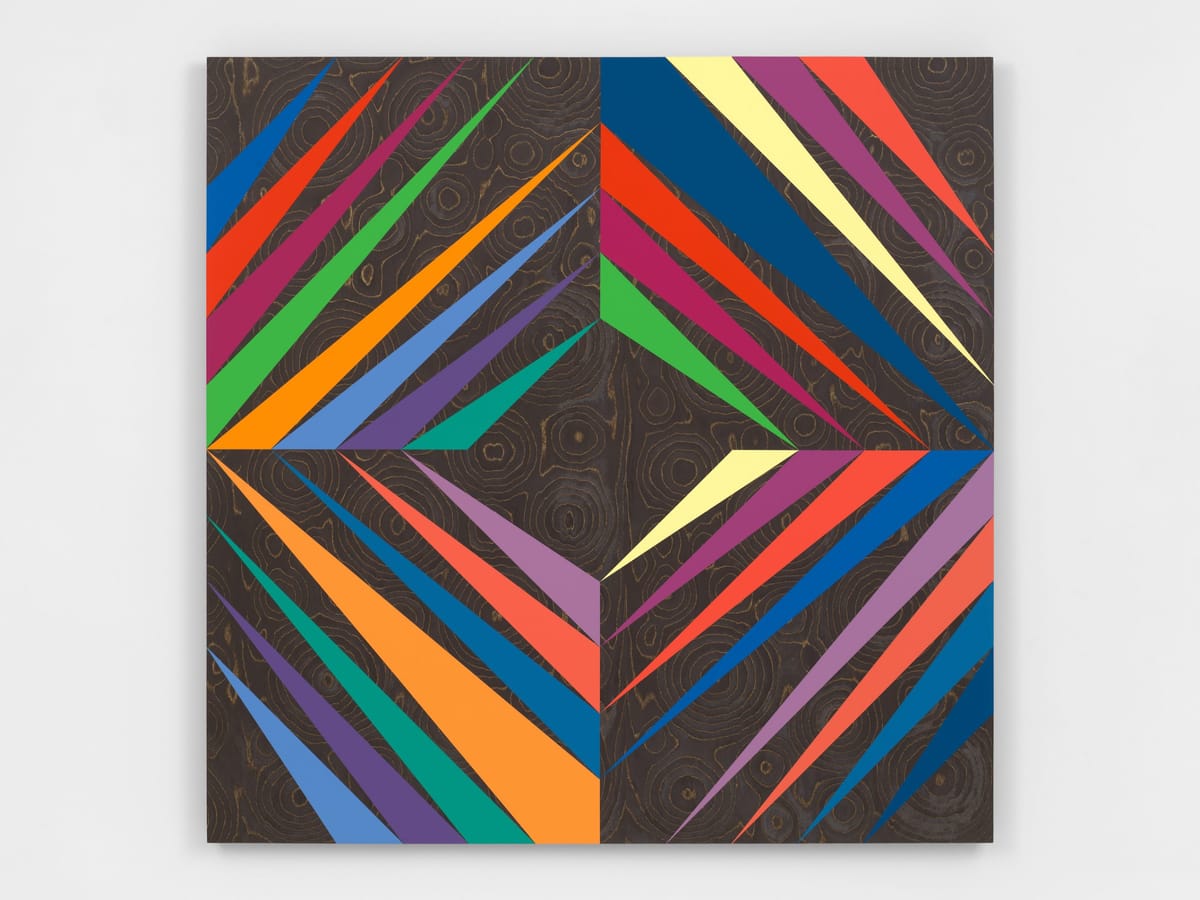
In reflecting on this saga, one can't ignore the cultural dimensions. Odita's work, infused with African diasporic themes, challenges Western art narratives, much like the gallery's mission to amplify underrepresented voices. Ironically, this shared ethos hasn't prevented discord. As Odita continues exhibitions with his other representatives, and Jack Shainman mounts shows at its various locations, the art world watches closely.
FAQ
What is the lawsuit between Odili Donald Odita and Jack Shainman Gallery about?
The lawsuit stems from a 2016 agreement where the gallery paid Odita a monthly stipend. Odita claims the gallery withheld $1.12 million in artworks after stopping payments in 2024. The gallery counters that Odita owes them $586,000 and overpriced his art, causing poor sales.
Who is Odili Donald Odita?
Odili Donald Odita is a Nigerian-American abstract painter born in 1966, known for colorful geometric works exploring identity and liberation. He has exhibited at the Venice Biennale and MoMA, and teaches at Temple University.
What is Jack Shainman Gallery known for?
Founded in 1984, the gallery champions diverse artists from Africa, East Asia, and North America. It has spaces in New York City and Kinderhook, promoting talents like Nick Cave and Kerry James Marshall.
How might this dispute affect the art market?
It highlights risks in stipend arrangements and pricing disputes, potentially leading to more formal contracts and scrutiny under laws like New York's Arts and Cultural Affairs Law.
Where can I learn more about Odita's work?
Visit his representations at David Kordansky Gallery or Stevenson, or explore his Wikipedia page for a comprehensive overview.