

Exploring Geometric Abstract Art: Timeless Forms in Modern Spaces
Geometric Abstract Art stands as a pillar of modern creativity, stripping away the familiar to reveal the essence of form, color, and space. In an era where digital innovation meets traditional craftsmanship, this style continues to captivate, offering a sense of order amid complexity. Rooted in mathematical precision and visual harmony, geometric abstraction invites viewers to engage with pure elements—lines, circles, squares, and polygons—that transcend representation. As we delve into its history, characteristics, and applications, it's clear why this art form remains influential, from gallery walls to everyday homes. Whether through bold color blocks or subtle symmetries, Geometric Abstract Art provides a canvas for introspection and design innovation, blending the intellectual with the aesthetic.
The Historical Roots of Geometric Abstraction
The origins of geometric abstraction extend far beyond the modern era, drawing from ancient civilizations where patterns symbolized deeper truths. In Islamic art, intricate tile work and arabesques from the 7th century onward fused spirituality with geometry, avoiding figurative imagery to focus on infinite repetition and symmetry. Similarly, ancient Greek mathematicians like Euclid laid the groundwork with their studies of shapes and proportions, influencing Renaissance artists who incorporated the golden ratio into compositions.
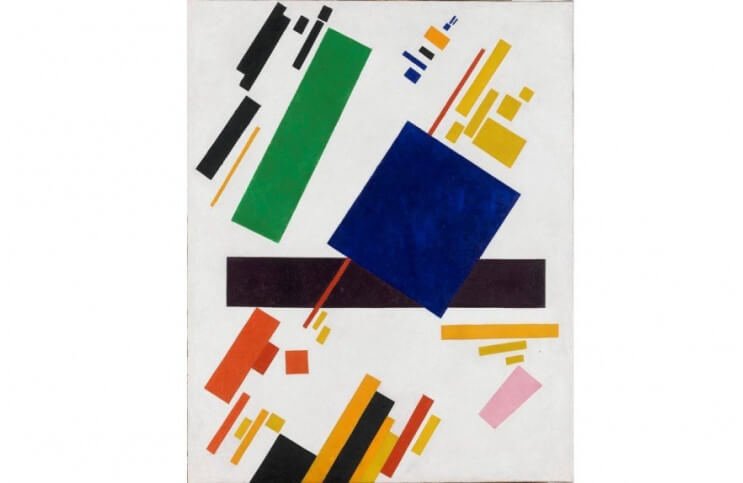
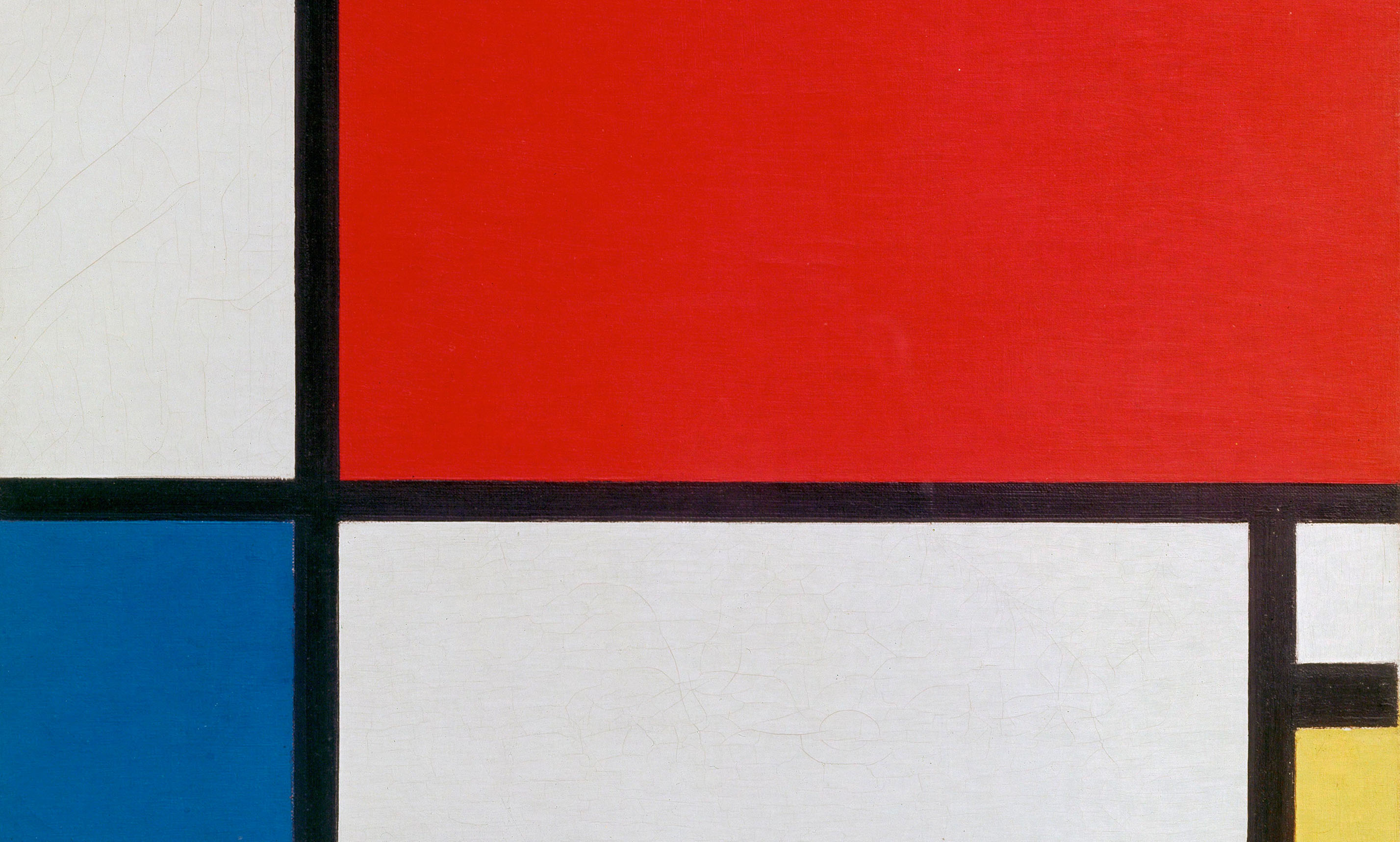
The true explosion came in the early 20th century, amid the turmoil of World Wars and industrial change. Artists sought to break from realism, turning to abstraction as a means of universal expression. Kazimir Malevich, a Russian avant-garde pioneer, founded Suprematism in 1915 with works like his iconic Black Square, reducing art to basic geometric forms to achieve "pure feeling." His Suprematist Composition series floated shapes in white space, challenging perceptions of reality. Piet Mondrian, associated with De Stijl, evolved from landscapes to grid-based paintings, using primary colors and straight lines to pursue harmony. His Composition with Red, Blue, and Yellow (1930) exemplifies this, dividing the canvas into asymmetrical rectangles that balance tension and calm.
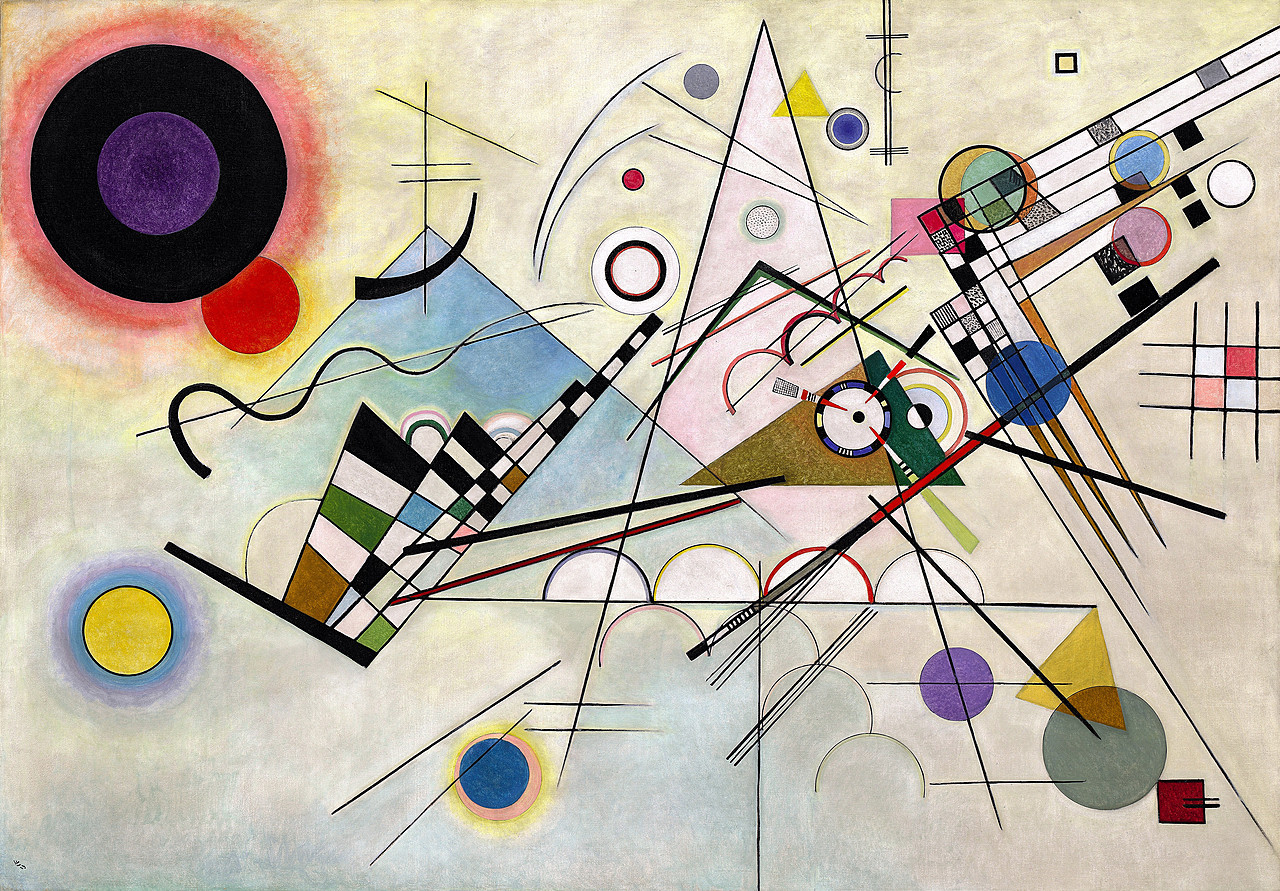
Wassily Kandinsky, often credited as the father of abstract art, integrated geometry with emotion in pieces like Composition VIII (1923), where circles, triangles, and lines evoke musical rhythms. These early innovators viewed geometry not as cold calculation but as a spiritual language, echoing Kandinsky's belief that art could convey inner necessities without mimicking the world. For more on the movement's foundations, explore the Wikipedia entry on Geometric Abstraction, which details its evolution from non-objective art to a rejection of illusionism.
Post-World War II, the style diversified. In the U.S., Josef Albers explored color interactions through his Homage to the Square series (starting 1950), nesting concentric squares to demonstrate how hues shift based on context—a cornerstone of color theory. This period also saw the rise of Minimalism and Op Art, where geometry created optical illusions and spatial depth.
Key Characteristics and Techniques
At its core, geometric abstraction emphasizes structure over narrative. Clean lines define edges, creating divisions that guide the eye. Shapes like triangles symbolize stability, circles evoke infinity, and polygons add complexity. Color plays a pivotal role: bold primaries energize, while muted tones soothe. Repetition fosters rhythm, as in patterns that mimic waves or grids, while negative space amplifies forms, allowing breath between elements.
Techniques vary from precise drafting to digital algorithms. Traditional artists used rulers and compasses for accuracy, ensuring symmetry or deliberate asymmetry. Modern creators employ software for generative designs, where code produces infinite variations. Sacred geometry—drawing from nature's patterns like the Fibonacci sequence—infuses works with philosophical depth, linking art to science and cosmos.
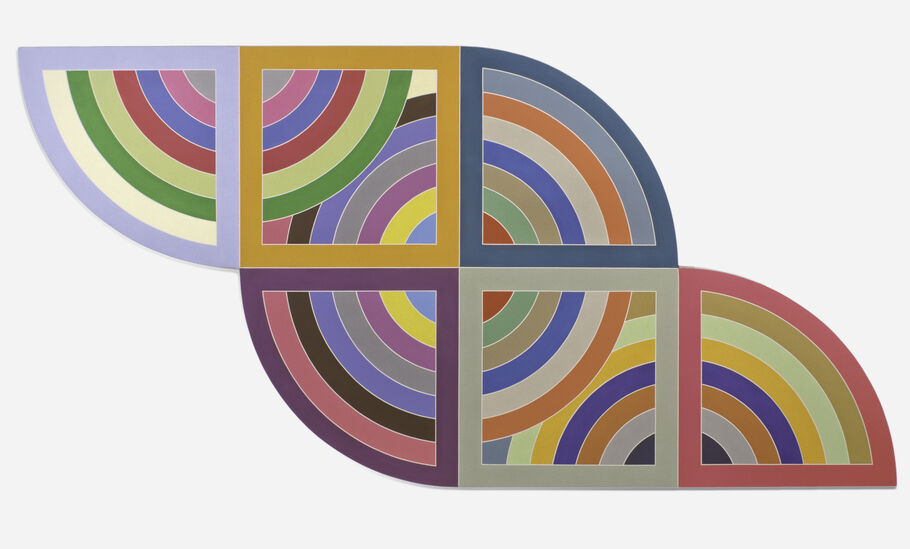
This style's appeal lies in its versatility: it can be minimalist, with sparse elements for contemplation, or dynamic, with overlapping forms for visual movement. In Op Art, pioneered by Bridget Riley, geometric patterns trick the eye into perceiving motion, as in her zigzag lines that seem to vibrate. Frank Stella's shaped canvases pushed boundaries, making the artwork's form part of the geometry itself. These characteristics make geometric abstraction enduring, adaptable to mediums from painting to sculpture and digital media.


Influential Artists and Their Contributions
Beyond Malevich and Mondrian, several artists have shaped the genre. Kandinsky's geometric explorations at the Bauhaus integrated theory with practice, influencing design worldwide. Albers, teaching at Black Mountain College, mentored generations on perceptual art. Riley's black-and-white works in the 1960s sparked the Op Art movement, with pieces like Movement in Squares creating illusions of depth on flat surfaces.
In contemporary times, Frank Stella transitioned from Minimalism to exuberant, multicolored geometries, challenging flatness with three-dimensional elements. Artists like Vitor Costa blend conceptual ideas with stains and forms, while Christa Stroo incorporates doors and reds for narrative hints within abstraction. Globally, figures draw from cultural motifs—Islamic patterns or Indigenous geometries—infusing the style with diversity. For insights into Kandinsky's work, visit the Guggenheim's page on Composition 8, showcasing his geometric mastery.
Modern Interpretations and Cultural Impact
In 2025, geometric abstraction thrives in digital realms. Generative art uses AI to create evolving patterns, seen in NFTs and virtual installations. Immersive experiences, like projection mapping on architecture, bring geometry to life. Sustainability influences too, with artists using recycled materials for eco-conscious sculptures.
Culturally, it reflects a quest for clarity in uncertain times—post-pandemic designs favor structured spaces for mental calm. In fashion and product design, geometric motifs appear in textiles and furniture, echoing De Stijl's holistic vision. Museums curate retrospectives, highlighting its role in modernism, while online platforms democratize access to prints and originals.
Incorporating Geometric Abstract Art into Home Decor
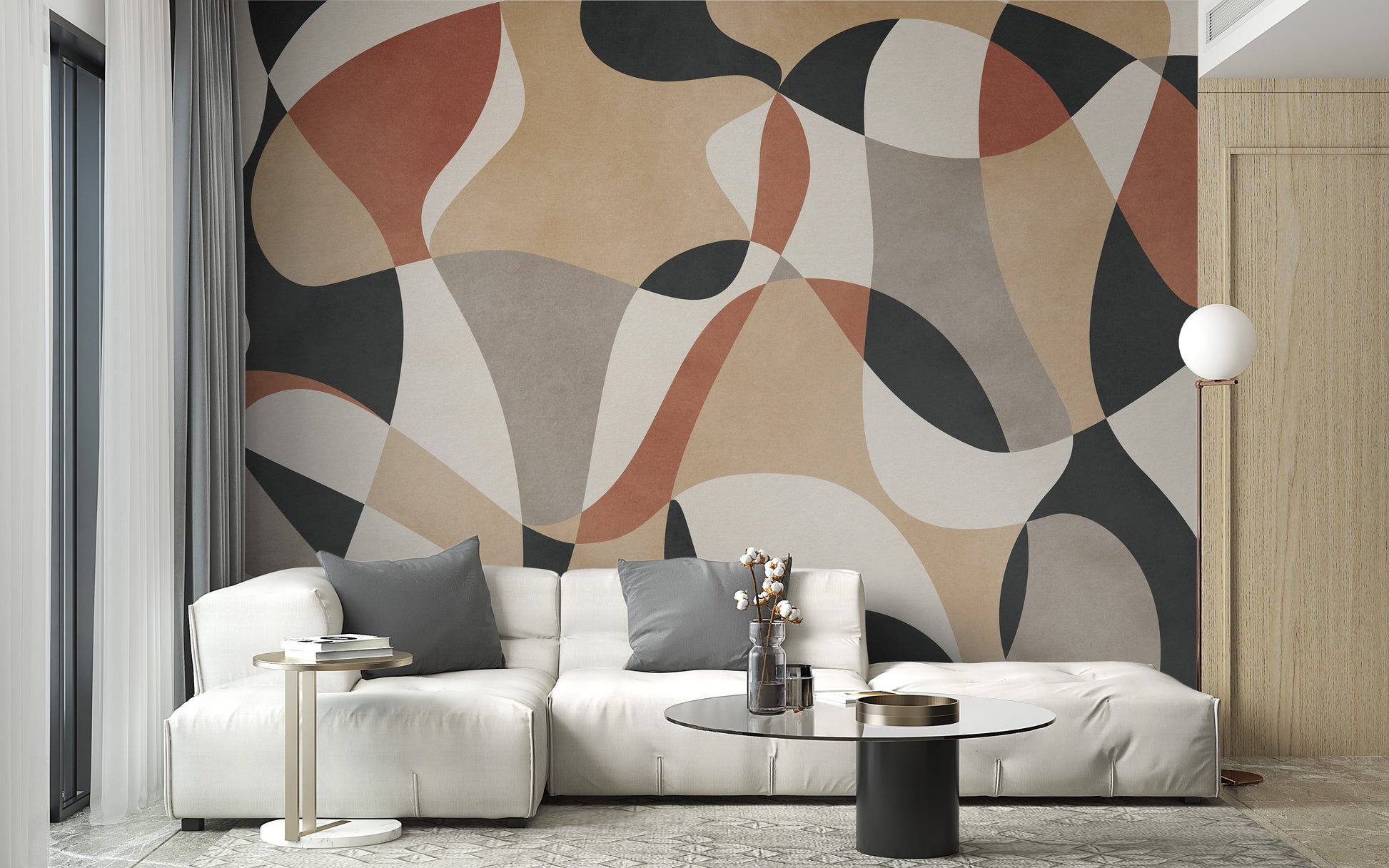
Geometric Abstract Art excels in interiors, adding sophistication without overwhelming. In living rooms, place a large grid-based piece over the sofa as a focal point, using colors that complement furniture for cohesion. Kitchens benefit from tiled patterns or backsplashes mimicking geometric motifs, blending functionality with art.
For offices, opt for calming symmetries in blues and grays to enhance focus—hang above desks for visual anchors. Stairways come alive with ascending arrangements, creating flow through repetition. Mix styles by pairing geometrics with organics: a floral print beside a polygonal canvas adds contrast, unified by shared palettes like beige, blue, or sienna.
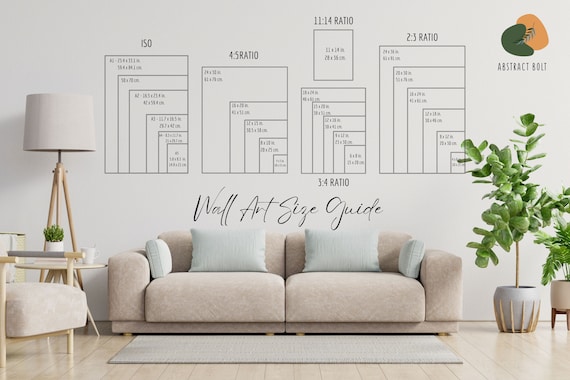
Gallery walls thrive on experimentation—lay pieces on the floor first, mixing sizes and orientations for dynamism. Use consistent frames (black, white, or wood) and even spacing to maintain rhythm. Leave negative space to let forms breathe, and choose asymmetry for interest or symmetry for order. In minimalist homes, it adds detail; in eclectic spaces, it provides balance. Examples include oversized canvases in neutral rooms or colorful accents in vibrant settings.

Ultimately, Geometric Abstract Art bridges past and present, offering endless ways to personalize spaces. Its precision invites reflection, making it a staple for collectors and decorators alike.
FAQ
What defines Geometric Abstract Art? It focuses on non-representational forms like lines, shapes, and colors, emphasizing structure, balance, and harmony without depicting real-world objects.
Who are key pioneers in this style? Artists like Kazimir Malevich, Piet Mondrian, and Wassily Kandinsky laid the foundations in the early 20th century, with later influences from Josef Albers and Bridget Riley.
How has Geometric Abstract Art evolved in modern times? It incorporates digital tools, generative algorithms, and immersive tech, appearing in NFTs, virtual reality, and sustainable designs.
Best ways to incorporate it into home decor? Use as focal points in living rooms or offices, mix with other styles for contrast, and create gallery walls with cohesive framing and spacing.
Where can I learn more about its history? Resources like the Wikipedia page on Geometric Abstraction provide detailed overviews of its development and artists.