

The Bold Resurgence of Modern Abstract Art: A Vibrant Journey Through Color, Form, and Innovation
Modern Abstract Art represents a vibrant and evolving chapter in the history of visual expression, where artists eschew literal representations in favor of color, form, gesture, and texture to evoke emotions, ideas, and experiences. Emerging prominently in the early 20th century, this genre has undergone significant transformations, adapting to cultural shifts, technological advancements, and diverse voices. Today, it experiences a bold resurgence, as seen in contemporary galleries and exhibitions worldwide, where large-scale works challenge viewers to engage intuitively rather than narratively. This revival isn't just a nod to the past but a forward-looking movement that incorporates digital elements, mixed media, and themes of identity, autonomy, and global interconnectedness.
The roots of modern abstract art trace back to pioneers who sought to break free from traditional figurative painting. In the late 19th and early 20th centuries, artists began experimenting with non-representational forms, influenced by rapid industrialization, scientific discoveries, and philosophical inquiries into perception and reality. Wassily Kandinsky, often credited as one of the first purely abstract painters, believed that art could transcend the physical world, much like music evokes feelings without depicting objects. His works, such as Composition VIII (1923), feature geometric shapes, bold lines, and vivid colors that suggest harmony and dissonance, drawing parallels to symphonic compositions. Kandinsky's theories, outlined in his book Concerning the Spiritual in Art, laid the groundwork for abstraction as a means to explore inner worlds and universal truths.
Following Kandinsky, the interwar period saw the rise of movements like Suprematism and Constructivism in Russia, where artists like Kazimir Malevich used simple geometric forms to convey pure feeling and Suprematist ideals. Malevich's Black Square (1915) epitomized this radical departure, presenting a stark black quadrilateral on a white background as a symbol of zero form—a complete break from representational art. Across Europe, the Bauhaus school integrated abstraction into design and architecture, emphasizing functionality and abstraction's potential to democratize art. These early developments set the stage for abstraction's global spread, influencing artists in America and beyond during the mid-20th century.
In the United States, Abstract Expressionism emerged post-World War II as a dominant force, characterized by spontaneous, gestural techniques that emphasized the act of painting itself. Jackson Pollock, a key figure, revolutionized the genre with his drip paintings, such as Autumn Rhythm (Number 30) (1950), where he poured and splattered paint onto canvases laid on the floor. This "action painting" approach captured raw energy and subconscious impulses, reflecting the era's existential anxieties and the influence of psychoanalysis. Pollock's contemporaries, like Mark Rothko, explored color field abstraction, using large swaths of color to evoke emotional depth. Rothko's multiform paintings, with their glowing rectangles of red, blue, and yellow, invite viewers into meditative spaces, blurring the line between art and spiritual experience.
As the 20th century progressed, abstraction diversified, incorporating elements from Pop Art, Minimalism, and Conceptualism. Artists like Helen Frankenthaler introduced stain painting techniques, soaking canvases with thinned pigments to create ethereal, landscape-like abstractions. Her work Mountains and Sea (1952) influenced a generation by merging color field and gestural styles. By the 1970s and 1980s, postmodernism brought irony and deconstruction, with artists questioning abstraction's purity. Yet, the genre persisted, adapting to feminist, multicultural, and queer perspectives that challenged its historically male-dominated narrative.

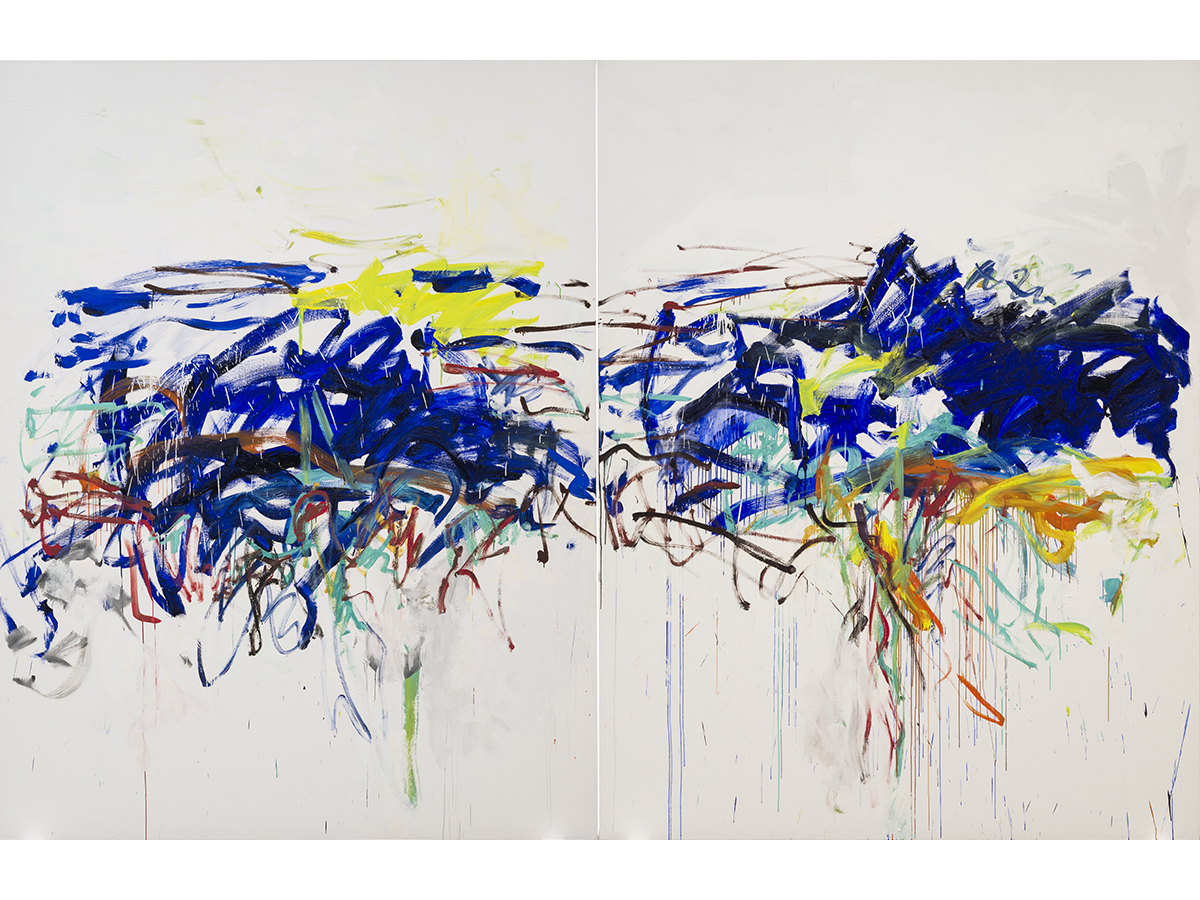
Entering the 21st century, modern abstract art has witnessed a dynamic revival, fueled by globalization, digital technology, and a push for inclusivity. Contemporary abstraction often features monumental scales, vibrant palettes, and innovative materials that blend traditional painting with digital collage and mixed media. This resurgence echoes a shift away from the oversaturation of figurative art in recent years, as noted in recent art discourse, toward works that prioritize surface, texture, and viewer interpretation. Galleries are showcasing bold, colorful pieces that transform spaces into immersive environments, encouraging physical and emotional engagement.
One standout artist in this revival is Ilana Savdie, whose psychedelic canvases like Baths of Synovia (2023) fuse geometric forms with fleshy, collage-like elements. Savdie's work, exhibited at the Whitney Museum in her solo show Radical Contractions, reimagines Renaissance influences through a digital lens, creating otherworldly compositions that explore themes of yearning and transformation. Her graded colors and dissected forms update Abstract Expressionism for a diverse audience, emphasizing body autonomy and cultural hybridity.
Similarly, Donna Huanca pushes boundaries with large-scale abstracts incorporating oil, sand, and digital prints. Pieces like MELTING POMPADOUR (2023) and SUENO NEUROLOGIO (2024) feature rich tones of blues, greens, yellows, and pinks, turning galleries into performative spaces. Huanca's exhibitions at the Faurschou Foundation and Sean Kelly Gallery in New York highlight how abstraction can address political oppression and sensory experiences, blending painting with installation art.
Avery Z. Nelson represents another facet of this trend, with medium-sized works like Mystery Almighty (like a pony) (2023) that shift from delicate wavy lines to bold color planes in pastels and primaries. Shown at Blade Study in New York's Chinatown, Nelson's paintings tackle body autonomy through gestural abstraction, using fuchsias, Kelly greens, and reds to evoke quiet intensity. Other emerging voices, such as Jenny Brosinski with her squiggly gestures, Amalia Pica at Herald Street in London, and Joanne Mary Robertson at Company Gallery, contribute to a landscape where abstraction is led by women and non-cis-male artists.
Veteran painters like Catherine Goodman CBE, with over 40 years in the field, continue to innovate at Hauser & Wirth, proving abstraction's enduring appeal. This diversity marks a departure from the cis-male-centric history, incorporating global influences and themes like cultural memory and environmental concerns.
Technological integration has further transformed modern abstract art. Digital tools allow artists to manipulate images, creating hybrid works that layer virtual and physical elements. For instance, some incorporate AI-generated patterns or 3D printing to add texture, expanding abstraction's vocabulary. Exhibitions like "To Bend the Ear of the Outer World" at Gagosian in London showcase how contemporary abstraction engages with sound, performance, and multimedia, fostering dialogues across disciplines.
The market for modern abstract art remains robust, with paintings' accessibility making them popular for homes and collections. Unlike more cumbersome mediums like sculpture or video, abstracts integrate seamlessly into living spaces, offering emotional resonance and investment potential. Auction houses report rising values for both historical and emerging abstract works, driven by collectors seeking pieces that reflect personal narratives. Culturally, abstraction promotes intuitive looking, encouraging viewers to form their own conclusions without imposed stories—a timely antidote to information overload in the digital age.
This resurgence also ties into broader societal shifts. In an era of political turbulence and identity exploration, abstract art provides a non-literal platform for expression. Artists from underrepresented backgrounds infuse the genre with fresh perspectives, addressing issues like migration, gender, and ecology through form and color. For example, works evoking natural gestures or human motions, reminiscent of Elaine de Kooning's Bullfight (1959), connect past and present, highlighting abstraction's role in processing collective experiences.
As we look toward the future, modern abstract art promises continued innovation. With galleries like the Aldrich Contemporary Art Museum hosting shows that blend tradition and experimentation, the genre invites ongoing exploration. Whether through bold sweeps of color or subtle textural plays, it remains a testament to art's power to transcend boundaries and connect us to the intangible.
In summary, modern abstract art's journey from early pioneers to today's diverse practitioners underscores its adaptability and relevance. By embracing bold returns and new voices, it challenges us to see beyond the surface, fostering personal and cultural insights in an ever-changing world.
FAQ
What is the difference between modern abstract art and contemporary abstract art?
Modern abstract art typically refers to works from the early 20th century to the 1970s, focusing on movements like Abstract Expressionism and Suprematism. Contemporary abstract art encompasses post-1980s developments, often incorporating digital and multimedia elements, as seen in artists like Donna Huanca.
How can I start collecting modern abstract art?
Begin by researching reputable galleries or online platforms like WhereBuyArt. Attend exhibitions at places like the Whitney Museum, set a budget, and focus on pieces that resonate emotionally. Consult resources from The Art Story for artist backgrounds.
Who are some influential female artists in modern abstract art?
Key figures include Helen Frankenthaler for her stain techniques, Elaine de Kooning for gestural works, and contemporaries like Ilana Savdie and Avery Z. Nelson, who address themes of autonomy and identity through bold abstractions.
Why is color important in abstract art?
Color in abstract art evokes emotions and creates visual harmony or tension without relying on recognizable forms. Pioneers like Mark Rothko used color fields to immerse viewers, while modern works employ vibrant palettes to explore cultural and personal narratives.
Where can I learn more about the history of abstract art?
Explore timelines on Khan Academy or the Britannica, which offer detailed essays and images on artists and movements.