

Why 3D Textured Canvas Paintings Are Revolutionizing Modern Interiors in 2026
In the ever-evolving landscape of interior design, where functionality meets artistic expression, 3D textured canvas paintings have emerged as a transformative force. As we step into 2026, these multidimensional artworks are not merely decorative elements but pivotal components that redefine how we interact with our living spaces. Rooted in the principles of abstract art, they blend visual allure with tactile depth, creating environments that stimulate the senses and foster emotional connections. Unlike traditional flat prints, which often fade into the background, 3D textured pieces introduce layers of relief, impasto, and sculptural forms that catch light and shadow, making them dynamic participants in the room's ambiance. This surge in popularity reflects broader trends in design, such as the emphasis on wellness, sustainability, and personalization, where homes are sanctuaries for both body and mind.
The appeal lies in their ability to transcend the two-dimensional plane, offering a bridge between painting and sculpture. Drawing from historical movements like Abstract Expressionism, artists today use techniques such as heavy acrylic builds, plaster applications, and mixed media to create surfaces that invite touch and exploration. In modern interiors, where clean lines and open spaces dominate, these paintings add warmth without overwhelming the aesthetic. They align perfectly with contemporary lifestyles, where remote work and mindful living demand spaces that inspire creativity and calm. As galleries like Saatchi Art showcase an increasing array of textured works, collectors and homeowners alike are turning to them for their versatility and enduring value. This article explores the key reasons behind their rising prominence, from sensory engagement to stylistic adaptability, highlighting how they are set to dominate interior trends in the coming year.
1. Engaging Multiple Senses: Beyond Visual Appeal
One of the primary drivers of the popularity of 3D textured canvas paintings is their capacity to engage more than just the eyes. In an era where digital screens dominate our visual intake, there's a growing craving for tangible, multisensory experiences in our physical environments. These artworks achieve this by incorporating raised elements—think thick impasto strokes, embedded fibers, or layered resins—that create a surface begging to be touched. This tactile quality transforms passive viewing into an interactive encounter, fostering a deeper emotional bond between the artwork and the observer.
Light plays a crucial role here, as the textured surfaces interact with natural and artificial illumination to produce ever-changing shadows and highlights. A painting that appears subdued in morning light might come alive with dramatic contrasts under evening lamps, ensuring the piece evolves throughout the day. This dynamic quality is particularly appealing in urban dwellings, where natural light may be limited, yet the art can simulate movement and depth. According to design experts featured on platforms like Artsy, this sensory richness aligns with biophilic design principles, which emphasize connections to nature through organic textures and forms.
Moreover, the decline of flat, printed art in favor of textured alternatives underscores a shift toward authenticity. Flat prints, while affordable, often lack the depth needed to anchor a space emotionally. In contrast, 3D textured paintings evoke a sense of presence, making rooms feel more inviting and lived-in. For instance, in wellness-focused interiors, these pieces can promote mindfulness by encouraging viewers to pause and appreciate the subtle variations in texture and form. As Tate notes in its exploration of abstract forms, such art often carries a spiritual dimension, representing purity and simplicity that resonates in today's fast-paced world.
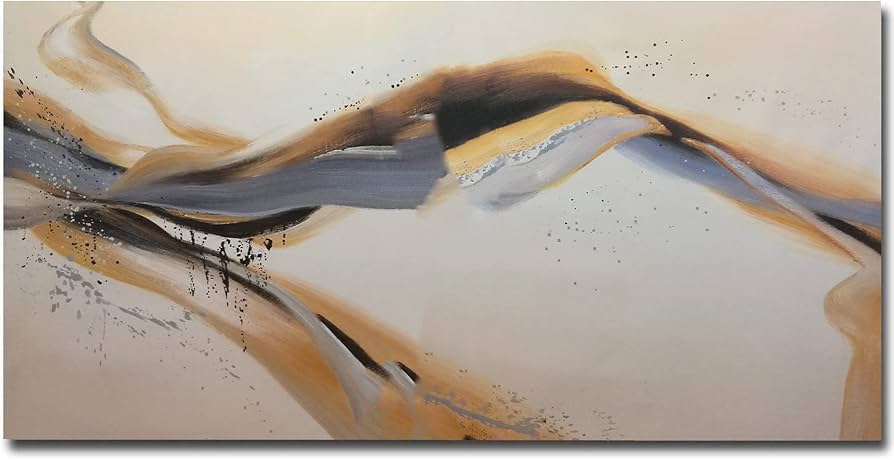
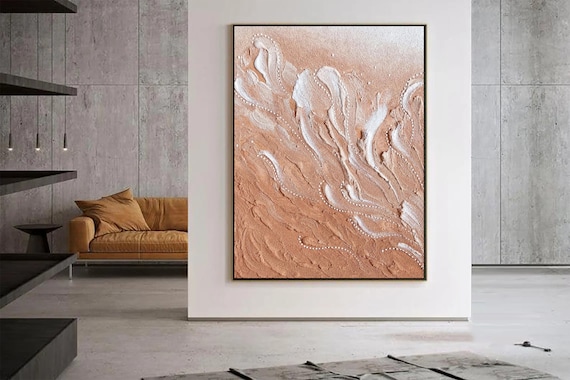
This multisensory approach also extends to psychological benefits. Studies in environmental psychology suggest that textured elements in decor can reduce stress by providing a focal point for contemplation. In 2026, with hybrid work models persisting, home offices adorned with these paintings offer a subtle yet effective way to enhance productivity and well-being.
2. Adding Depth to Minimalist and Contemporary Designs
Minimalism remains a cornerstone of modern interior design, but its stark simplicity can sometimes border on sterility. Enter 3D textured canvas paintings, which infuse these spaces with subtle dimension without compromising the ethos of "less is more." In Scandinavian-inspired or Japandi aesthetics, where neutral palettes and clean lines prevail, these artworks serve as understated focal points, adding warmth through their raised surfaces and shadow play.
The key is balance: a monochromatic textured piece, for example, can harmonize with white walls and wooden accents, creating visual interest through relief rather than color. This prevents minimalist rooms from feeling flat or uninviting. Placed above a console or bed, they draw the eye upward, enhancing the perception of space and height. In smaller apartments, common in urban 2026 living, this optical illusion can make areas feel more expansive.
Furthermore, these paintings align with sustainable design trends, often crafted from eco-friendly materials like recycled canvases or non-toxic acrylics. Their durability means they withstand time better than delicate prints, appealing to eco-conscious consumers. As highlighted in discussions on abstract art, the emphasis on form over representation allows for timeless appeal, ensuring the piece remains relevant as trends evolve.
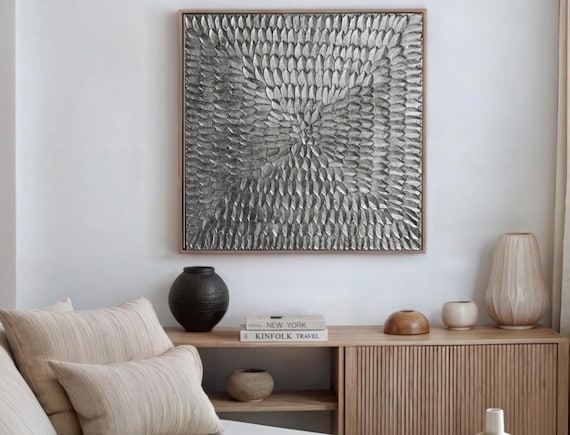

In contemporary settings, they provide a counterpoint to sleek furniture, softening hard edges with organic textures. Designers recommend selecting pieces that echo the room's color scheme for cohesion, or contrasting boldly for impact. This flexibility makes them ideal for evolving homes, where a single artwork can refresh an entire space.
3. The Fusion of Art and Sculpture: A Dynamic Presence
What sets 3D textured canvas paintings apart is their hybrid nature, blurring the lines between traditional painting and sculpture. This fusion creates artworks that are not static but alive, responding to their environment in ways flat art cannot. Raised elements—such as sculpted ridges or embedded objects—add a sculptural quality, turning the canvas into a three-dimensional object that protrudes from the wall.
This interactivity is amplified by light and shadow effects. As sunlight shifts, textures cast varying patterns, creating a sense of movement that enlivens otherwise static rooms. In industrial lofts with exposed brick or concrete, these pieces mimic architectural elements, enhancing the raw aesthetic. Drawing from Abstract Expressionism, where gesture and materiality reign, modern artists layer paints to build forms that evoke emotion through physicality.
The result is art that engages on a visceral level, inviting viewers to approach and explore. In family homes, this can spark curiosity in children, while in professional spaces, it conveys innovation. Sustainability again factors in, with many artists using upcycled materials to create these sculptural effects, aligning with 2026's green design mandates.

This blend also offers practical benefits, such as acoustic softening in open-plan homes, where textured surfaces absorb sound subtly.
4. Versatility Across Diverse Interior Styles and Spaces
The adaptability of 3D textured canvas paintings is a major factor in their widespread adoption. From bohemian vibes to sleek modernism, these pieces integrate seamlessly, adapting to various color schemes and themes. In boho interiors, organic textures complement woven rugs and plants, while in industrial settings, metallic-infused works echo metal fixtures.
Coastal designs benefit from sandy reliefs evoking beaches, and eclectic spaces use them as unifying elements. Room-wise, they shine in entryways for first impressions, bedrooms for serene backdrops, and dining areas for conversation starters. Their scalability—from small accents to large statements—makes them suitable for any size home.
In 2026, with smart homes on the rise, some textured paintings incorporate LED elements for enhanced interactivity, blending art with technology.
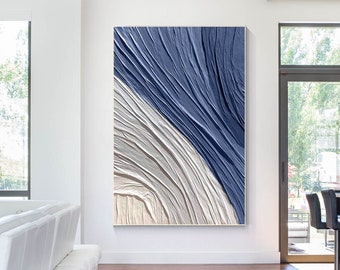
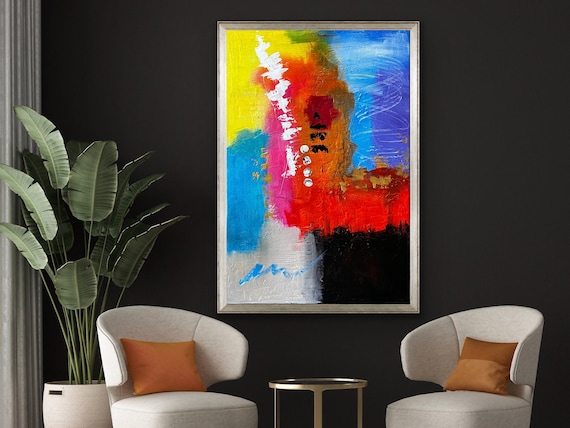
This versatility extends to commercial spaces, like offices or hotels, where they add personality without permanence.
5. Embracing Handcrafted Authenticity in a Mass-Produced World
In a market saturated with reproductions, the handcrafted nature of 3D textured paintings offers a refreshing antidote. Each piece bears the artist's unique touch—visible brushstrokes, imperfect ridges—that mass-produced items lack. This authenticity resonates in 2026, where consumers seek meaningful possessions amid fast fashion fatigue.
Limited editions ensure exclusivity, with variations in texture making no two identical. Collaborations with artisans allow customization, turning art into personal statements. As Tate explores, this moral dimension of abstraction—purity and individuality—elevates these works beyond decor.
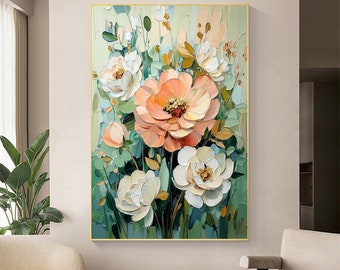
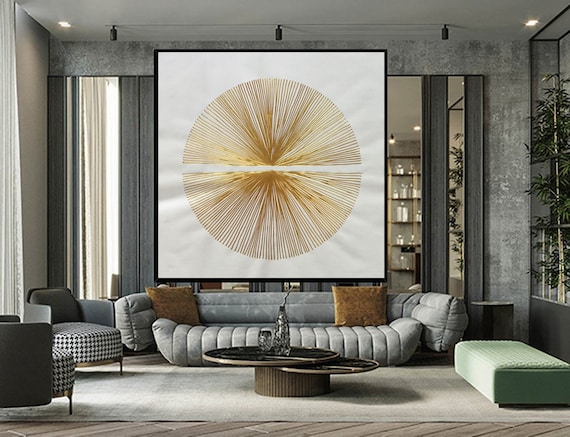
Their durability, from quality materials, ensures longevity, appealing to sustainable buyers.
In conclusion, 3D textured canvas paintings are revolutionizing modern interiors by offering depth, interactivity, and authenticity. As trends evolve toward holistic living, these artworks—rooted in abstract art—promise to remain staples, blending beauty with functionality for years to come.
FAQ
What makes 3D textured canvas paintings different from traditional art? They incorporate raised elements for tactile depth, blending painting with sculpture, unlike flat prints that focus solely on visuals.
How do these paintings enhance minimalist interiors? They add subtle dimension and shadow play without clutter, creating focal points that warm up clean, neutral spaces.
Are 3D textured paintings suitable for all room types? Yes, from entryways for impact to bedrooms for serenity, their versatility fits diverse styles and functions.
Why is handcrafting important in these artworks? It ensures uniqueness and authenticity, with imperfections adding character in a world of mass production.
Where can I learn more about abstract art influences? Explore resources like the Tate's guide on abstract art for historical context and inspiration.